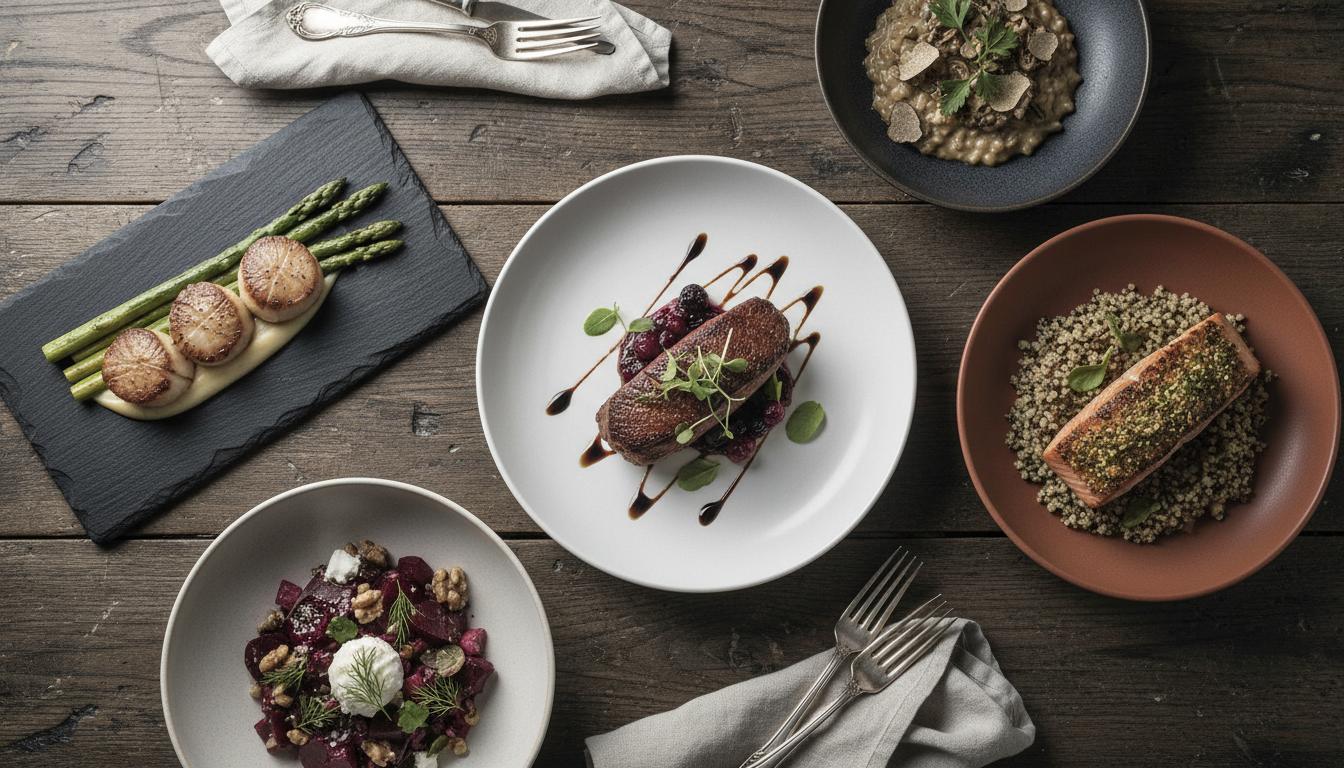
The cleanest QR launches start by deciding which parts of the experience must stay fixed in print and which parts should remain editable online. The print asset should be stable, memorable, and ready to scale. The page behind it should be easy to update in minutes.
For most teams that means locking the QR destination early, testing the mobile page on a real device, and only then sending physical material to production. Once the code is on tables, counters, or venue signage, the web layer becomes the place to react to real demand without paying for a reprint.
A good launch checklist is simple. Confirm the destination URL, test scan speed under normal lighting, review the page on both iPhone and Android, and make sure one operator on the team owns post-print updates. If that ownership is vague, edits usually happen too late.
After launch, treat the page as an operating surface. The code on the table is fixed, but the content behind it should stay responsive to hours, stock, offers, and campaign changes. That is where most of the long-term value comes from.
More Notes
Keep Reading
QR Code Landing Page Vs PDF Menu: What Works Better?
A practical comparison for restaurants deciding whether a QR code should open a static PDF or a mobile-first page built for updates.
Continue Reading
Branded QR Code Design Rules That Keep Scans Reliable
How to add brand color, logo placement, and visual polish to QR codes without making them harder to scan in the real world.
Continue Reading